
The importance of innovative design in healthcare
Now more than ever, healthcare is at the centre of our society, an industry driven by effective, efficient, and innovative digital design.
This time last year I applied for a place on a Masters of Research in Healthcare and Design at the Royal College of Art, joint with Imperial College London. I never thought I would find myself studying again towards a masters degree, but this course offered something I hadn’t seen before: two universities collaborating across healthcare and design, and a part-time course designed to offer two week design sprints every six months. This was the perfect opportunity to take a break from my day-to-day work, and to refresh my creative brain by working on a personal project. I’ve always had the ambition to merge my design work with my passion projects, and see a future in innovative healthcare driven by design with meaning and purpose.
My submitted proposal asked the question, “How can digital design bridge the gap between physical and mental wellbeing in our healthcare system?”.
I have grown up surrounded by illness, acutely aware of both physical and mental issues. My father was diagnosed with incurable cancerous brain tumours over 20 years ago. His latest oncologist has given him the best care, keeping him alive against the odds – but only concentrates on the clinical picture, not the emotional one.
In the new age of social media, patients have formed new methods of emotional support. They can tell their own stories and be comforted by the stories of others through platforms such as Facebook, Instagram, and Twitter. This digital form of storytelling intrigued me during my Bachelor of Arts in Graphic Communication Design at Central Saint Martins.

Initially, my interest in healthcare and design began when researching illnesses that affected me directly. Firstly, a short-animated film about epilepsy (a side effect of my father’s cancer) and then Attention Deficit Hyperactive Disorder (a condition I have). Researching and engaging in these topics through the lens of design helped these issues become less scary – not only to myself but also to the people around me. The combination of my interest in digital storytelling and the narratives told through design and healthcare were brought together in my final major project: 100 Stories.
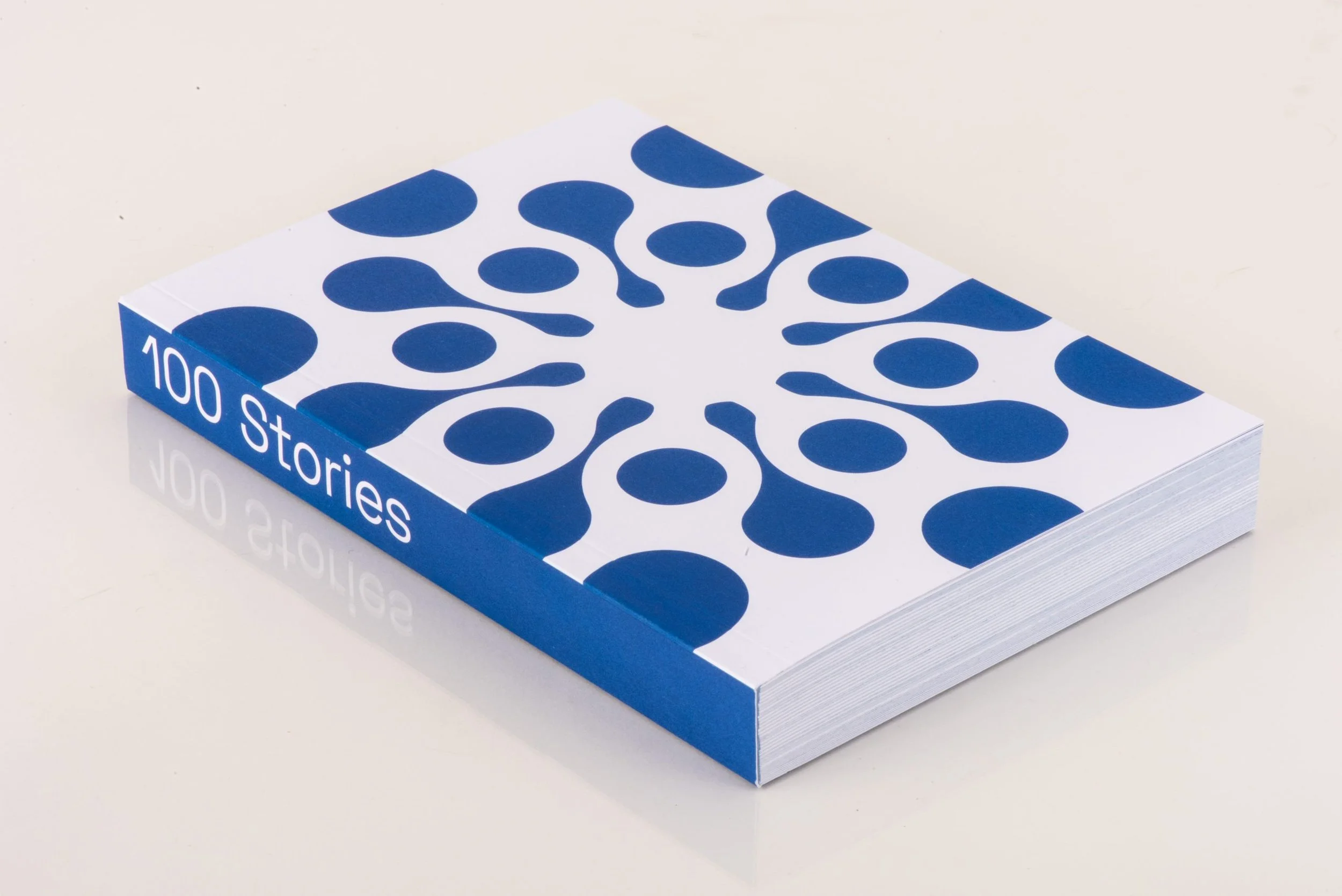
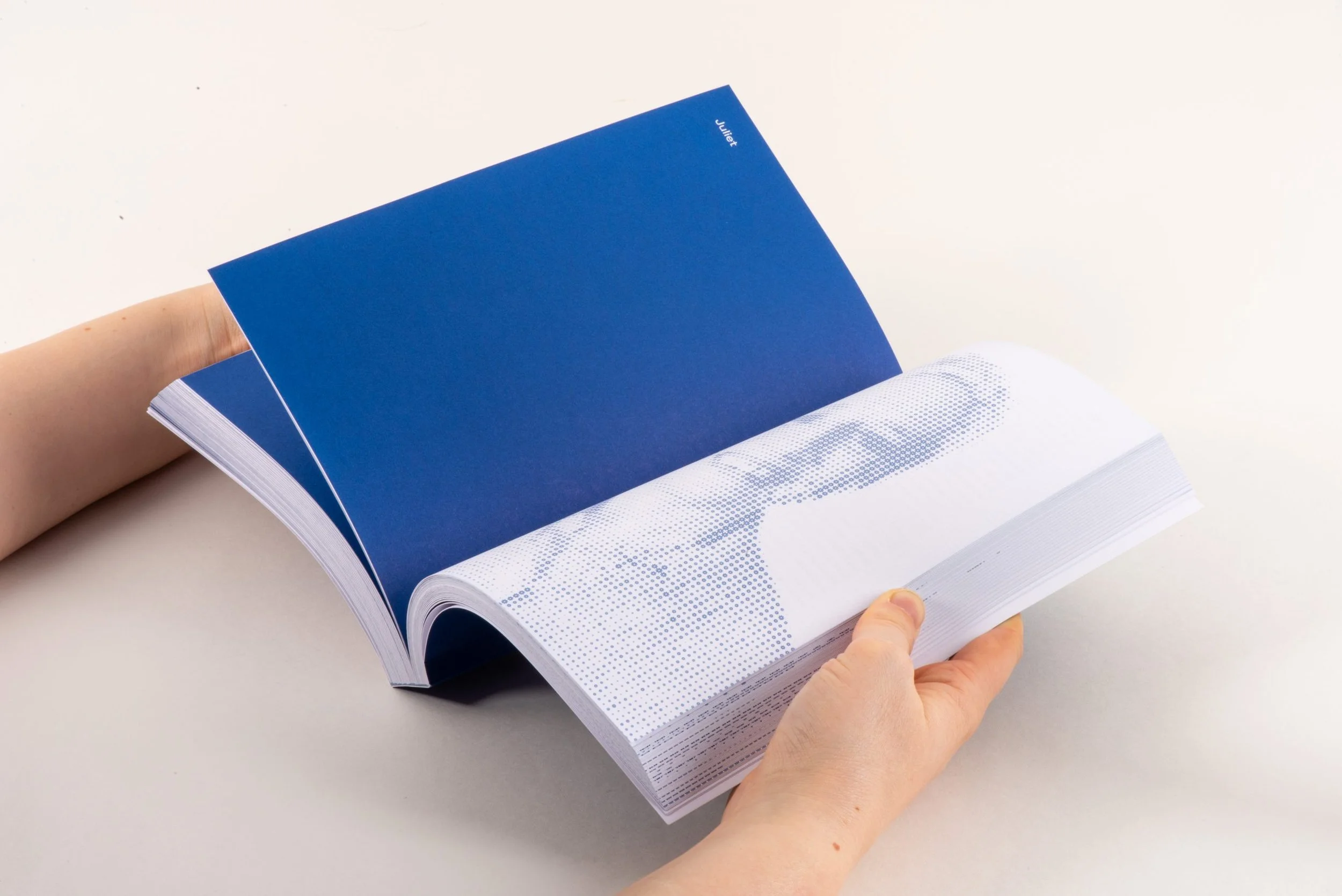
The aim of the 100 Stories Book was to promote open discussion and to normalise the cancer conversation by documenting other people’s stories, and representing them through design, this time in print.
The first sprint of my masters generated conversations with a whole range of people from different professions and practices, providing me with new and exciting perspectives that have informed, inspired, and influenced my design work in the best way possible.
Subscribe to my newsletter to be the first to hear about my next blog post!
