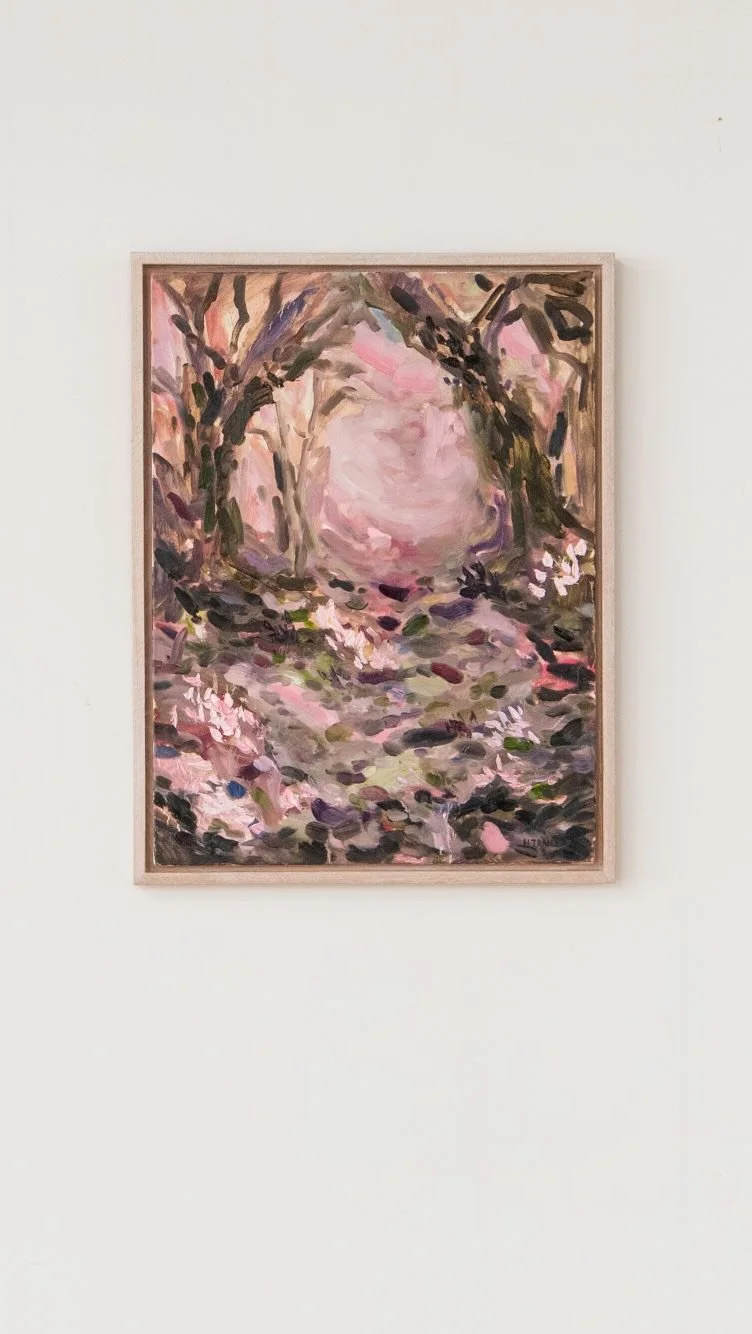
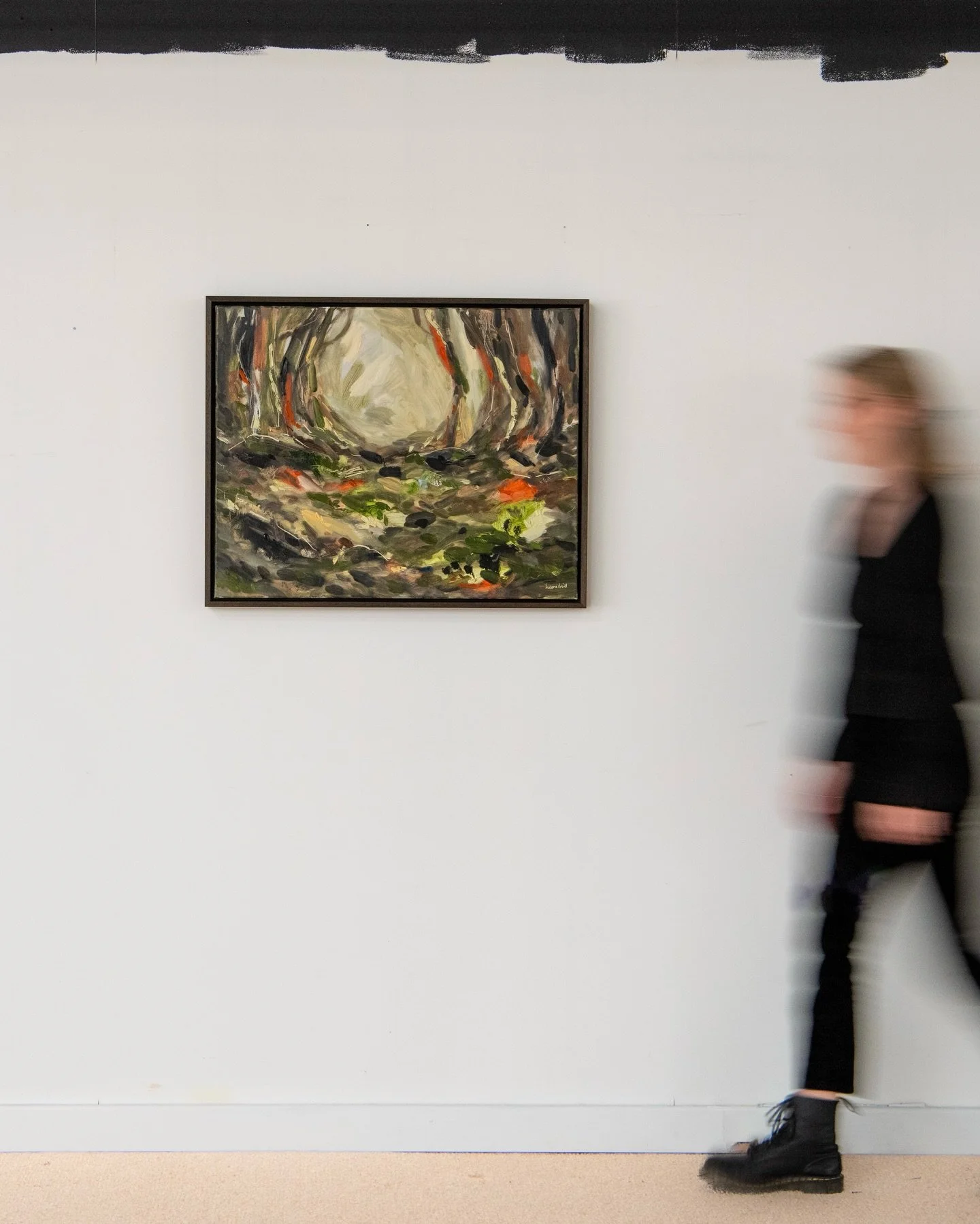
“When I paint I am balancing what is felt in the moment and what is constructed through reflection and memory.”
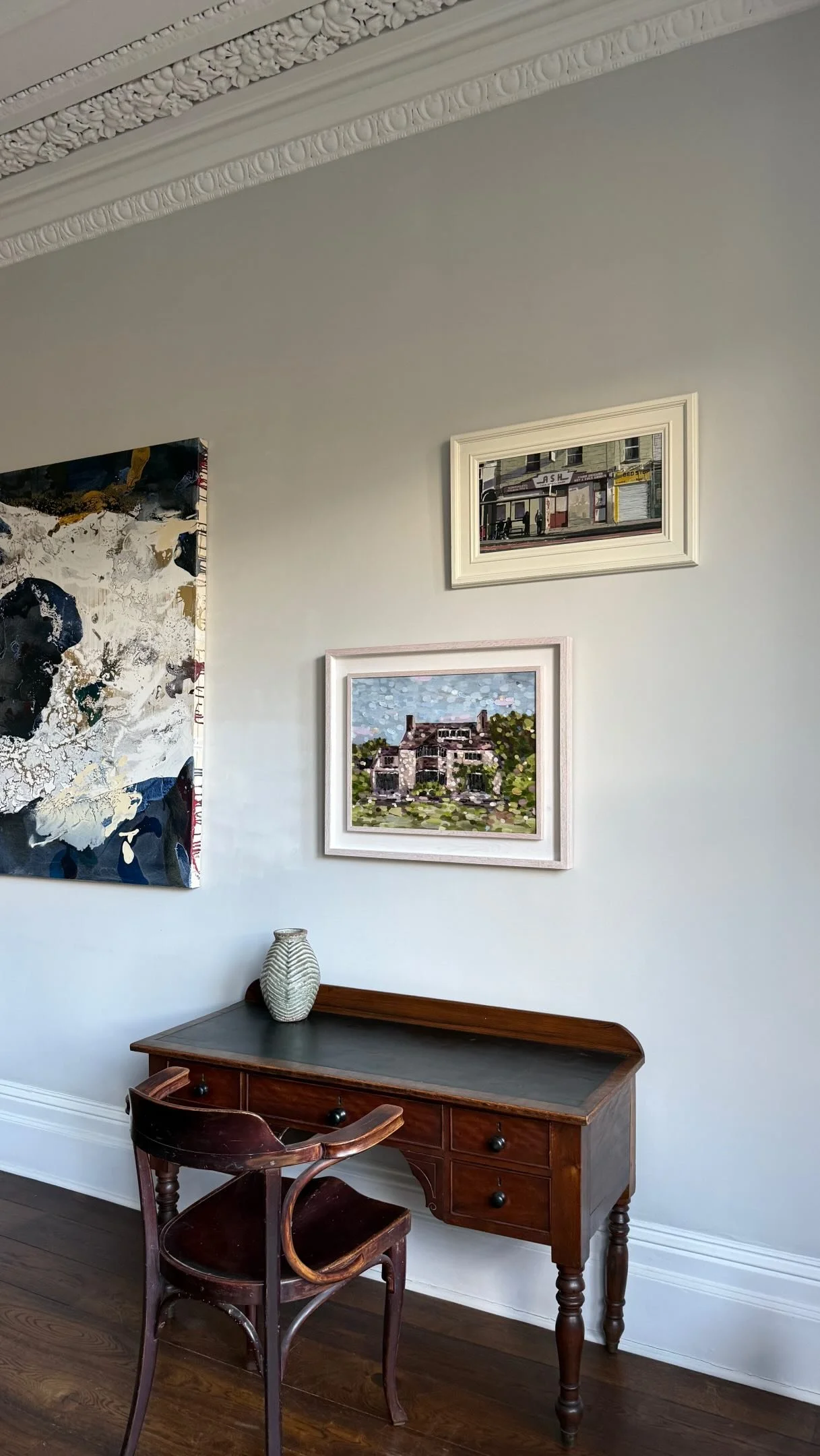
Helena Traill’s painting process is rooted in a dialogue between sensation and structure. Each painting evolves through distinct stages: working en plein air, reconstructing in the studio or live at an event, and intuitively translating mood through colour. Her practice is shaped not only by lived experience and neurodivergence but also by the artists who have inspired her to see the world differently.
Welcome to Multi-Impressionism.

The Landscape
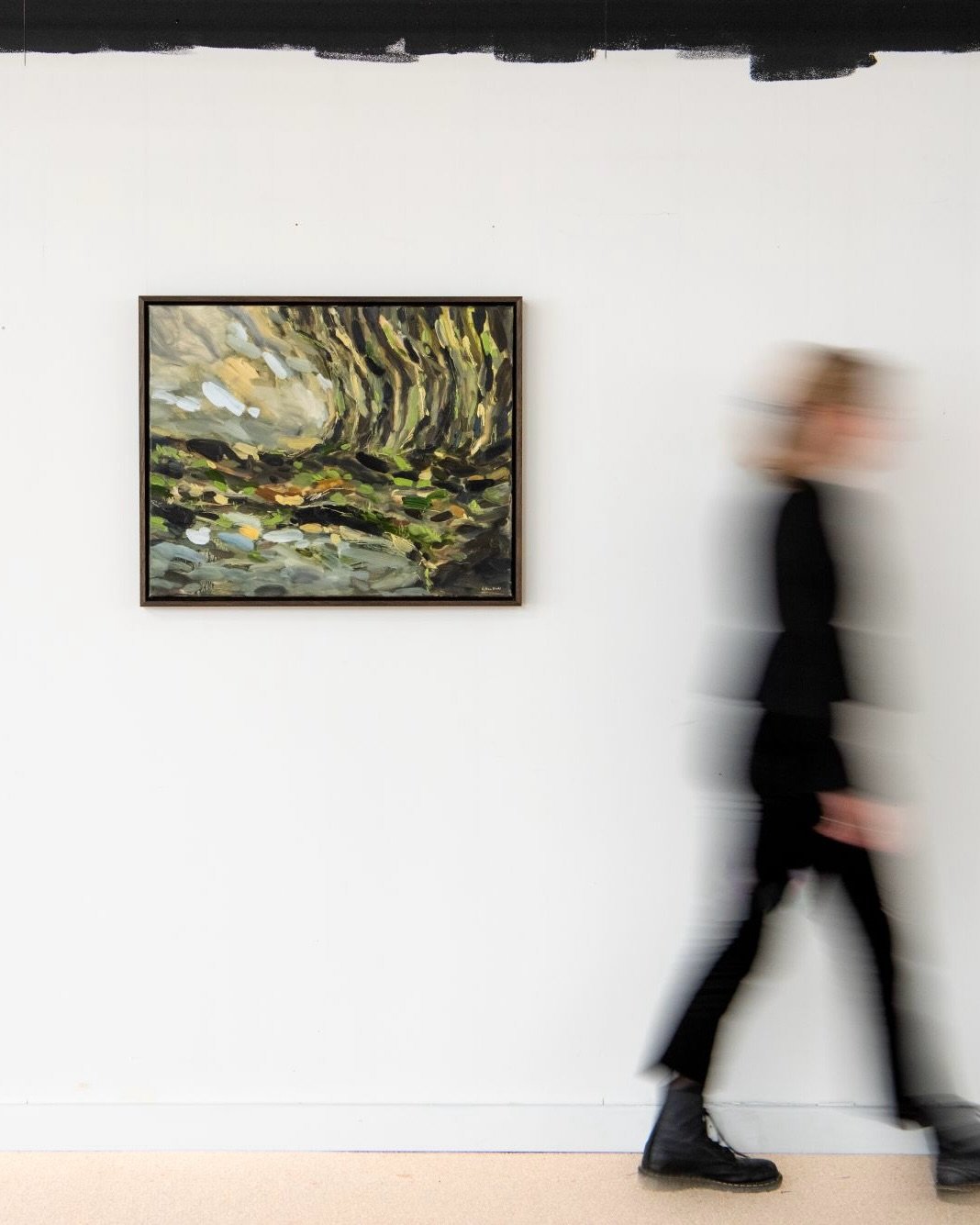
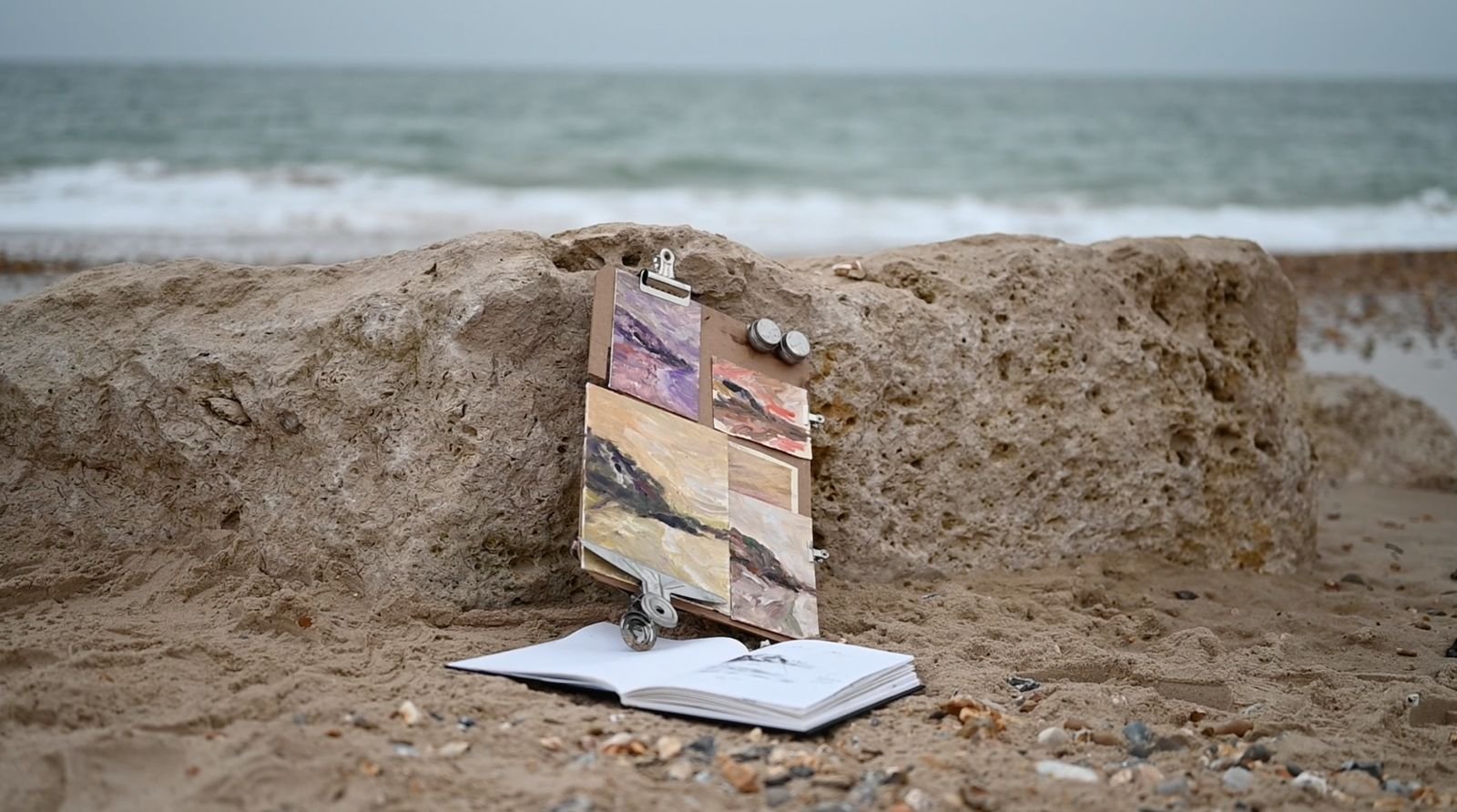
Helena begins each piece en plein air – painting directly within the landscape to absorb its unique atmosphere. Whether in the city or countryside, she uses fast, instinctual sketches and colour studies to capture sensory information: temperature, movement, sound, and light. This connection to the place is deeply personal, shaped by an early visit to Claude Monet’s gardens at Giverny, which showed her that painting could evoke not just what a scene looks like, but what it feels like to be there.
“I think in pictures, not in words. When I stand in the landscape, I no longer see shapes, I see colour.”

In the Studio or Live Painting
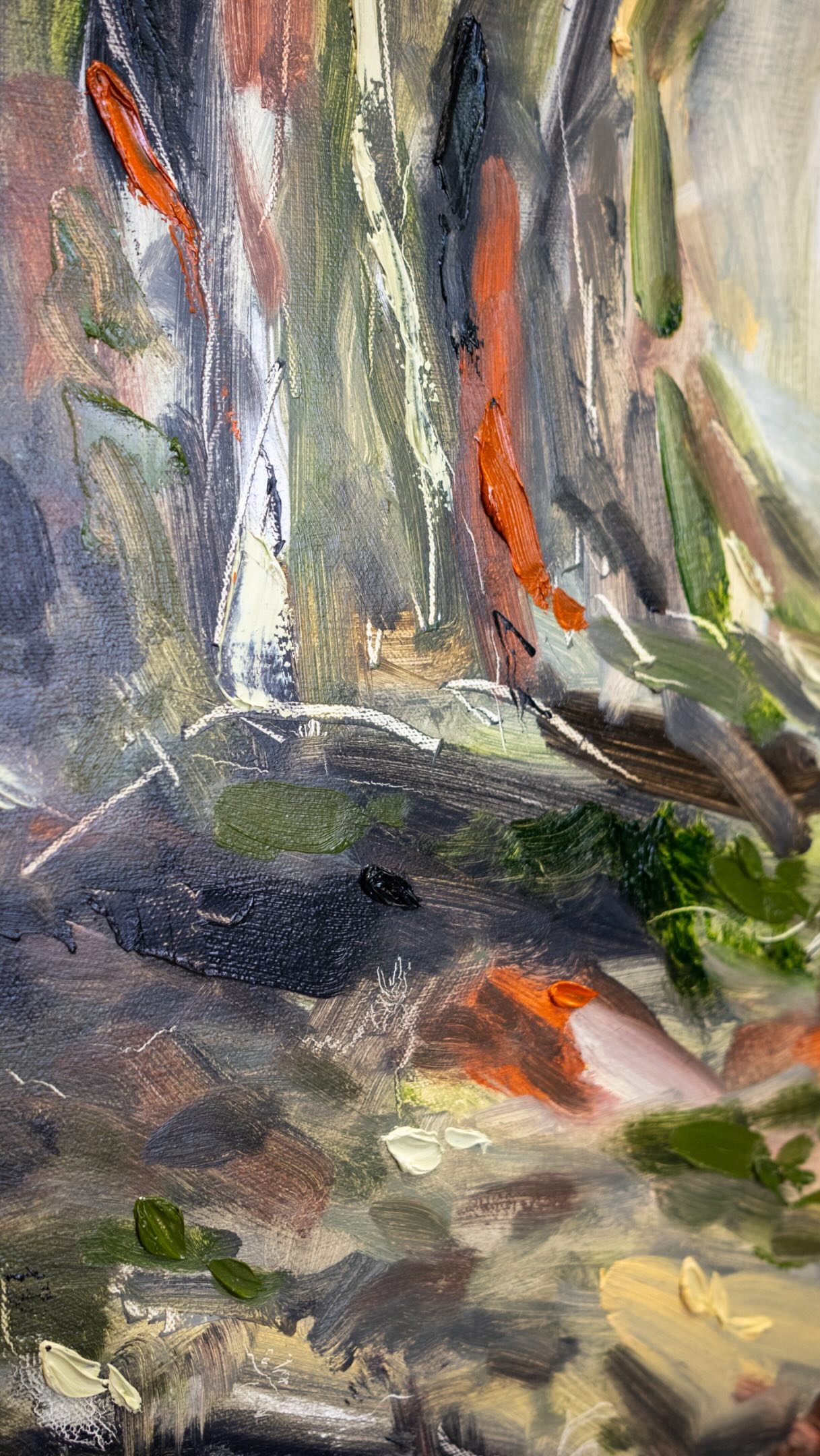
Returning to the studio or live at an event, Helena reconstructs the painting from her sketches and memory. This is where her background in design comes into play. Inspired by Robert Rauschenberg’s balance of chaos and composition, she experiments with structure, using blocks of colour and formal design elements to anchor each piece. Layer by layer, she builds paintings that feel immersive. It is like a landscapes that unfolds over time, a memory resurfacing.
“The studio is where I make sense of what I felt outside. I layer instinct and structure again and again and again.”

Colour as Language
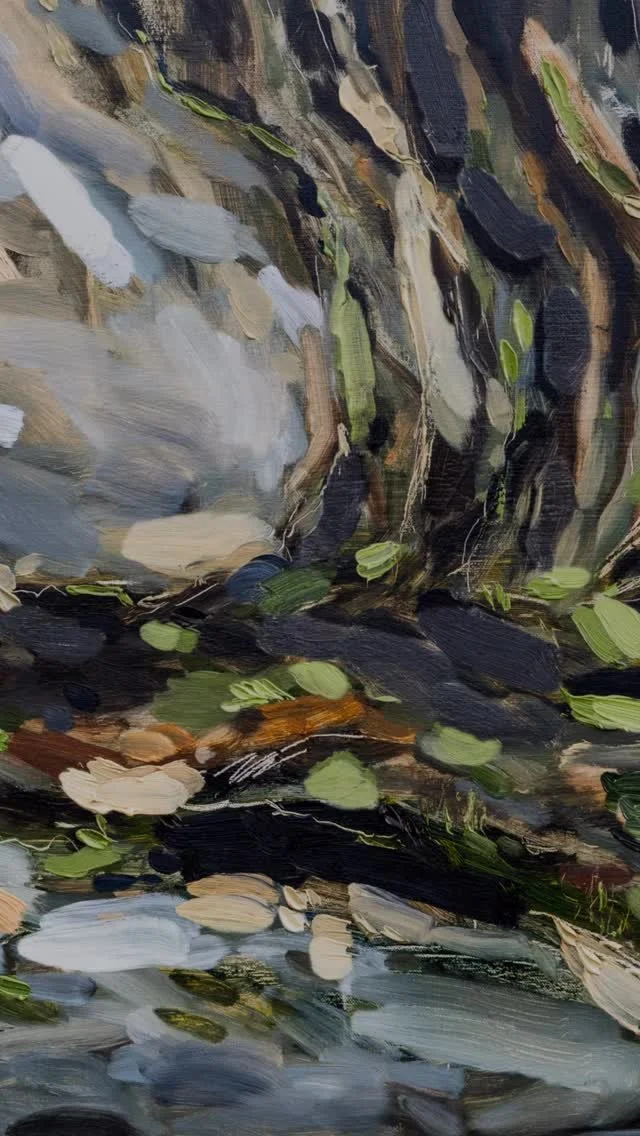
Colour is Helena’s primary tool for translation. Working with a deliberately limited, symbolic palette, she uses hues to express emotional states and sensory cues. For example cool blues for winter, ochres for sun-warmed earth, reds for the edges of autumn. Her intuitive use of colour draws from the organic energy of Berthe Morisot and the gestural intensity of Jackson Pollock, both of whom painted with immediacy and instinct. Like them, Helena sees colour and movement as a direct response to the world – an unspoken language of emotion.
“Colour feels like my first language, I use it to translate moments, light, and feelings that I can’t explain in words.”
Follow @helenatraillart on Instagram